If you have spent as much time as I have sitting on folding chairs in freezing NBL gyms, you know that the "post-game routine" marketed by sneaker brands and sports psychologists is a load of rubbish. The reality? Most players aren’t retreating to a hyperbaric chamber or sipping alkaline water while meditating on their shooting percentage. After a hard loss in the NBL or a narrow win in the SBL, the post-game experience is far more human, and frankly, a bit messier.
We need to stop pretending that every athlete is a high-performance machine 24/7. Basketball is a lifestyle, yes, but that lifestyle includes the two-hour drive home on the M1, the frantic scramble to find a place still serving hot food at 11:30 PM, and the inevitable urge to disconnect from the physical strain of the court.
The Myth of "Recovery Culture"
Let's clear the air: not everyone is spending their Sunday night in a Cryotherapy tank. For most British basketball players, the immediate **post game routine** is about survival, not optimization. It’s about getting the knees to stop throbbing and getting the mind off that missed defensive rotation in the fourth quarter. **Mental recovery** doesn't always look like a silent meditation retreat; often, it looks like distraction.

When I was playing, the moment the buzzer sounded, the locker room wasn't filled with zen-like stillness. It was a chaotic mix of adrenaline, exhaustion, and the inescapable glow of screens. You see it everywhere now: the second the final whistle blows, the first thing a player does is grab their phone. They aren’t checking their heart rate variability; they are checking **social media** to see if the fan account recorded that dunk or to see what the group chat is saying about the officiating.
The Digital Pulse: Why Stats Matter
There is a compulsive need for information. Before the team bus even pulls away, players are clicking onto **live stats** apps. They want to see the box score. They want to see if their plus-minus was as bad as it felt. It’s a habit that borders on an addiction.
This "always-on" engagement is the reality of the modern game. Sites like Eurobasket become the de facto homepage for anyone trying to track their career progression or see how the rest of the league performed. It’s not just about the game you just played; it’s about positioning yourself within the wider ecosystem of British basketball.
Interactive Entertainment and the "Wind Down"
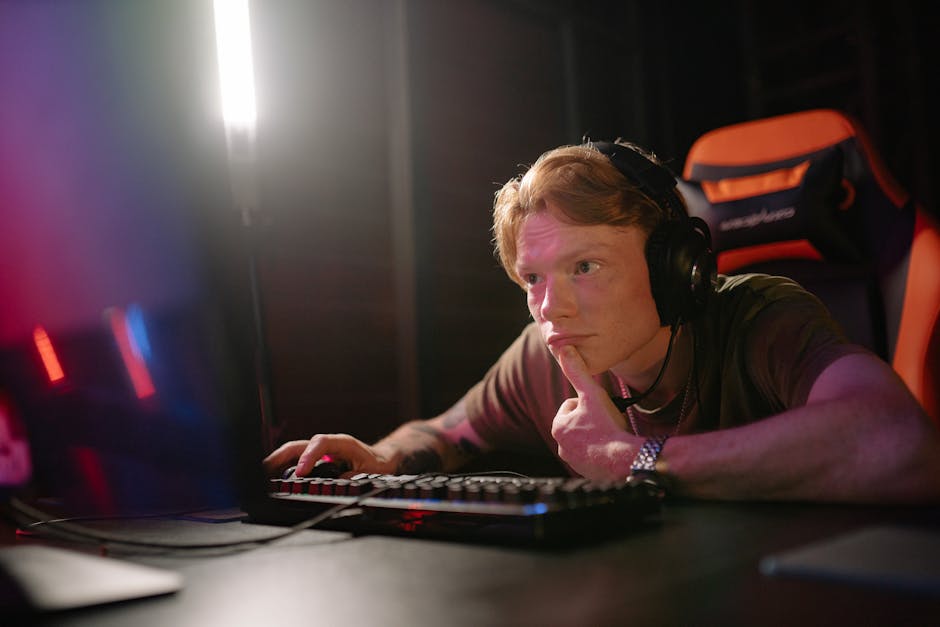
Once the adrenaline fades and the body starts to seize up, the real athlete downtime begins. This is where the mental transition happens. You’ve spent the last three hours being shouted at, analyzed, and physically battered. You don’t want to watch more basketball; you want to get as far away from the game as possible.
This is where streaming and interactive gaming platforms have filled a massive void. I’ve noticed an increasing number of players turning to platforms like MRQ (mrq.com). Why? Because it provides a low-stakes, high-entertainment environment. When you’ve spent a game focusing on tactical execution and high-pressure decision-making, the last thing you want is another "serious" activity. Gaming—whether it’s a quick session on a console or engaging with digital entertainment platforms—serves as a circuit breaker for the brain.
It’s a misconception that players are always "watching film" or "studying the game." If they did that, they’d burn out by mid-November. They need a mental escape. Engaging in gaming or streaming services allows them to shift their focus from high-stakes performance to low-stakes leisure.
A Snapshot of Post-Game Activities
To give you a better idea of what's actually happening in the life of a player after the lights go down, I’ve broken down the common post-game recovery habits based on my 12 years in the gym:
Activity Primary Benefit The Reality Check Social Media Scroll Connection/Validation Can lead to doom-scrolling and frustration. Live Stat Review Analytical Insight Obsessive stat-chasing can ruin your mood. Online Gaming (MRQ, etc.) Mental Disconnection The perfect "brain-off" switch for high-stress days. Streaming Services Passive Relaxation Most players are just watching whatever is trending on Netflix. Team "Debrief" (Pub/Food) Social Cohesion Usually involves more complaining about refs than actual strategy.The Fan Factor: Why They Won't Leave
I'll be honest with you: i’ve always kept a running note on the weird rituals of fans. You’ve seen them: the group of supporters who stay in the stands for a full twenty https://www.eurobasket.com/United-Kingdom/news/983486/Game-Day-to-Game-Night-How-Basketball-Culture-Extends-Beyond-the-Arena minutes after the game ends, watching the players walk toward the tunnel. It’s almost like they’re waiting for some secret message.
But the truth is, fans are just as "always-on" as the players. They’re checking the **BBC** sports page to see if the score updated, checking the league app to see the standings, and tweeting their take on the game. There is a weird, synchronized digital life between the fan and the player. We are all living in this feedback loop. The player is on their phone in the locker room, and the fan is on their phone in the car park, both looking for the same confirmation of what just happened.
Mental Recovery vs. The Tech Hype
We are constantly sold on "tech solutions" for athletes. Wearable devices, sleep trackers, AI-driven nutritional apps—it’s all very loud, and it’s mostly overpriced fluff. Tech promises to optimize every second of your existence, but it ignores the psychological need for simple, mindless decompression.
Real mental recovery isn't always data-driven. Sometimes it’s just logging onto an interactive platform, playing a few games, and not having to make a single "performance-based" decision for sixty minutes. When you’re an athlete, everyone has an opinion on your game—the coach, the fans, the pundits on the local podcast. Having a digital space where the only thing that matters is the game in front of you—that is true decompression.
The Reality of British Basketball
If you look at the coverage provided by sources like the **BBC** or the deep-dive stats on Eurobasket, you get a sense of the scale of the game, but you miss the intimacy of the lifestyle. The British basketball scene isn't about private jets and luxury recovery suites. It’s about the reality of the game—the cold gyms, the travel, the dedication.
The post-game period is the final hour of that reality. It is the time where the athlete ceases to be an employee of the club and becomes an individual again. Whether they are checking their stats on a phone, catching up on the league news, or blowing off steam with some interactive entertainment, it is a period of transition.
Final Thoughts: Keep it Human
Stop romanticizing the post-game life. It’s not about some elite-tier, military-grade recovery process. It’s about decompressing, finding a bit of space, and trying to forget the missed free throws. We need to normalize the fact that players are just people who want to chill out after doing something incredibly taxing.
The next time you see a player staring intensely at their phone immediately after a game, don't assume they're checking their recovery stats. They’re probably just doing what you’d do: trying to find a little bit of distraction in a world that’s constantly demanding their attention.
Disconnect from the noise: If you're a player, stop refreshing your stats. It’s never as good or as bad as you think. Find an outlet: Whether it's gaming, reading, or just catching up on streaming media, make sure it’s something entirely unrelated to basketball. Keep the fan perspective in check: Remember that what you see on social media is a curated snapshot, not the reality of the post-game experience. Value the downtime: Your career is shorter than you think. Enjoy the post-game pizza, enjoy the gaming session, and don't let the "tech-optimization" narrative make you feel guilty for just being human.The game is the game. Everything else—the phones, the gaming, the travel—that’s just the life we’ve chosen. Keep it simple, keep it honest, and maybe spend a little less time worrying about your analytics and a little more time finding a way to actually decompress.