The alarm goes off at 3:30 AM. It’s a sound that marks the start of the grind, whether you’re chasing whitetail in the Midwest or navigating a vertical basin out West. By 4:00 AM, you’re in the truck, coffee in hand, head buzzing with wind directions, glassing points, and the potential for a encounter that makes the last six months of shooting practice worth the toll on your shoulders.
But here is the reality that the magazines don't talk about: the hunt doesn't end when the sun goes down. For many of us, the hunt follows us into the tent or the sleeping bag. You’re lying there, heart rate still climbing every time you replay the stalk in your head, muscles twitching with the residual tension of a ten-mile pack-out. You’re physically exhausted, yet your brain is firing like a live wire. If you’re struggling to sleep, you’re not just missing out on rest—you’re actively sacrificing your performance for the next day.
As a former wildland EMT, I’ve seen what happens when the body is redlined for days on end without proper reset. In the hunting world, we have to start viewing ourselves as sustained-output athletes. If you want to put a bull on the ground, you need to manage your biology as carefully as you manage your scent control.
The Physiology of "Mental Activation" After a Field Day
When you spend all day in the field, your nervous system is in a state of hyper-vigilance. Even if you’re just sitting in a tree stand, your senses are dialed to ten. This mental activation after field day is a survival mechanism. Your sympathetic nervous system—the "fight or flight" mode—is running the show. The problem is that it doesn't just switch off because you climbed into magnesium for muscle recovery your sleeping bag.
You need to force a transition to the parasympathetic nervous system, or the "rest and digest" mode. If you don't intentionally trigger this shift, you’ll spend your limited window of recovery tossing and turning. I’ve learned the hard way that recovery is measured in minutes, not hours. If I get four hours of quality, deep sleep, I’m sharper at 4:00 AM than if I get eight hours of restless, cortisol-spiked tossing.
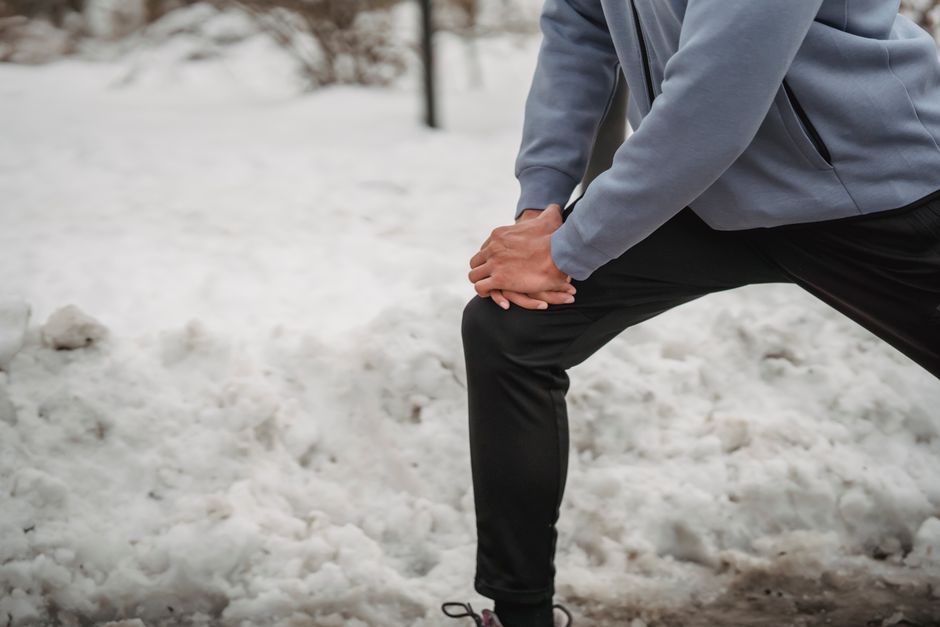
The Nightstand Protocol: My Non-Negotiables
I keep my recovery kit right on the nightstand. If it’s out of sight, it’s out of mind, and by the time I’m exhausted enough to care, I’m too tired to get up and hunt for supplements. My setup is simple, effective, and free of the marketing fluff that claims a "miracle pill" will fix your sleep. I rely on science-backed habits.
1. Electrolytes: The Forgotten Recovery Essential
I cannot stress this enough: stop skipping your electrolytes just because it’s cold out. You aren’t sweating as much as you do in September, but the dry mountain air and the physical demands of high-altitude hunting are dehydrating you at a cellular level. Electrolyte imbalances are a leading cause of the nocturnal muscle cramps that ruin a good night’s sleep. I dump a packet into my final bottle of water an hour before bed. It balances the osmotic pressure in your cells and helps your muscles actually relax.
2. The Role of CBD
I’ve been using Joy Organics organic CBD gummies for years now. I’m not talking about some gas station gimmick. I’m talking about a consistent, high-quality product that helps take the edge off the adrenaline. The CBD gummies timing is crucial: I take one about 45 to 60 minutes before I intend to close my eyes. It isn’t about being "drugged" to sleep; it’s about signaling to my nervous system that the threat is gone and the hunt is over for the day.
The research supports this. Articles in The Permanente Journal have discussed the potential for CBD to assist with anxiety and sleep-related issues by modulating the body's endocannabinoid system. When you're managing inflammation from a pack-out, pairing that calm with a bit of systemic support goes a long way.
The 60-Minute Wind-Down Routine
To master your pre-sleep routine, you need a disciplined cadence. I treat my transition to sleep with the same level of preparation I use for my gear check.
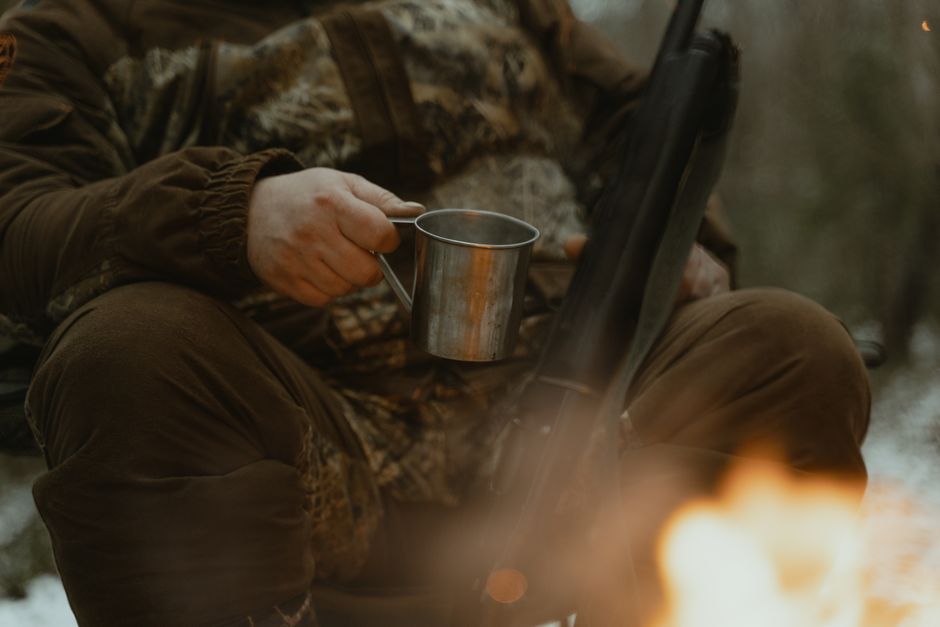
Why Gear and Tactics Aren't Enough
We spend thousands on bows, optics, and camo, but we often treat our bodies like disposable assets. Over at North American Bow Hunter, we often talk about the "all-day" mentality. That only works if you are recovery-positive. If you are waking up groggy because you couldn't sleep, you’re missing the details—the slight shift in the thermals, the snap of a twig, the placement of the arrow. Those errors are what result in a long track job or a lost animal.
Don't fall for the gym-bro talk about "sucking it up" and ignoring sleep. You aren't in a CrossFit gym; you’re in a high-consequence environment where every decision matters. If your mind is cluttered from the previous day's events, you are a liability to yourself and the animal you’re pursuing.
Managing Inflammation
Bowhunting is sustained athletic output. Your joints, your back, and your feet take a beating. Inflammation keeps the body in a state of high alert. Along with the electrolytes and CBD, I’ve found that focusing on low-impact recovery helps. If you've been trekking through blowdowns all day, your body is producing recovery between hunts cortisol in response to that physical stress. A quick, 5-minute series of box-breathing exercises—inhaling for four, holding for four, exhaling for four—can drop your heart rate enough to let that cortisol level dip. It’s a simple pre-sleep routine that costs nothing and yields massive dividends by morning.
Final Thoughts: Don't Overcomplicate It
The biggest mistake I see hunters make is trying to solve their sleep issues with fancy, expensive gadgets. You don’t need a specialized sleep chamber. You need consistency. You need to respect the 3:30 AM wake-up by respecting the 9:30 PM wind-down.
- Stick to the schedule: If you keep your supplements on the nightstand, you won't have to think about them. Hydrate with purpose: Electrolytes aren't just for August; they are for the whole season. Embrace the calm: Use the CBD gummies as a tool to bridge the gap between "hunter" and "human." Trust the process: Recovery isn't instant. It’s a cumulative game. If you commit to 300 minutes of deep, quality sleep, you’ll be a better archer when the moment of truth arrives.
Keep your gear sharp, but keep your nervous system sharper. The woods aren't going anywhere. Make sure you’re rested enough to enjoy them tomorrow.